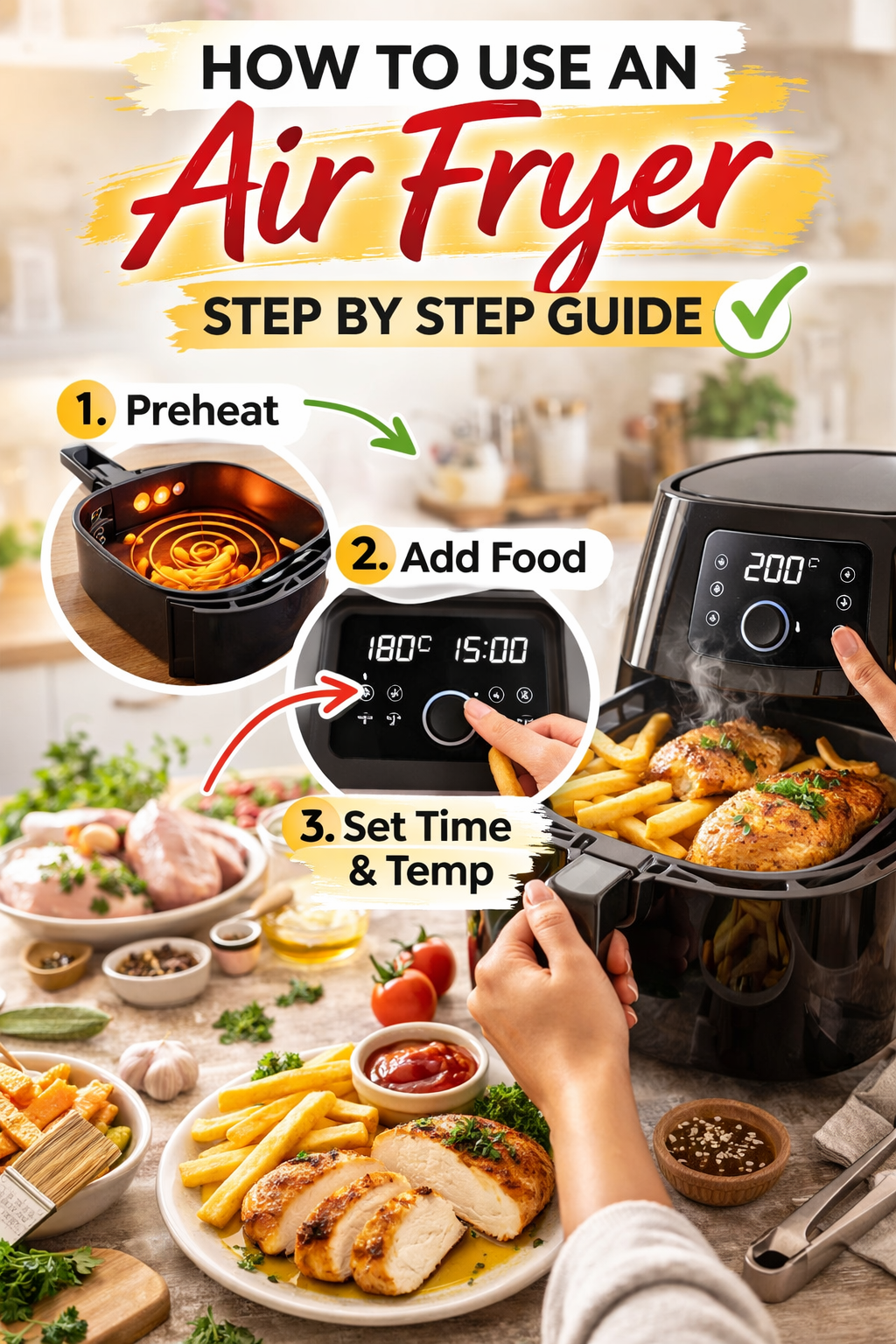
Air fryers have quickly become one of the most popular kitchen appliances—and for a very good reason. They make everyday cooking faster, simpler, and far less messy compared to traditional frying.
If you’re just getting started, it’s completely normal to feel a bit unsure about how to use it properly. What temperature should you use? Do you need oil? Why isn’t your food crispy yet?
This guide walks you through everything step by step, using simple explanations and real-life tips so you can start cooking with confidence from day one.
What Is an Air Fryer?
An air fryer is a compact countertop appliance that cooks food using rapidly circulating hot air. Think of it as a small, powerful convection oven.
Instead of submerging food in oil, it creates a crispy outer layer using just a small amount of fat—or sometimes none at all.
Why people love it:
- Faster cooking times
- Less oil (healthier meals)
- Easy cleanup
- Consistent results
Once you understand the basics, it becomes one of the easiest tools for everyday cooking.
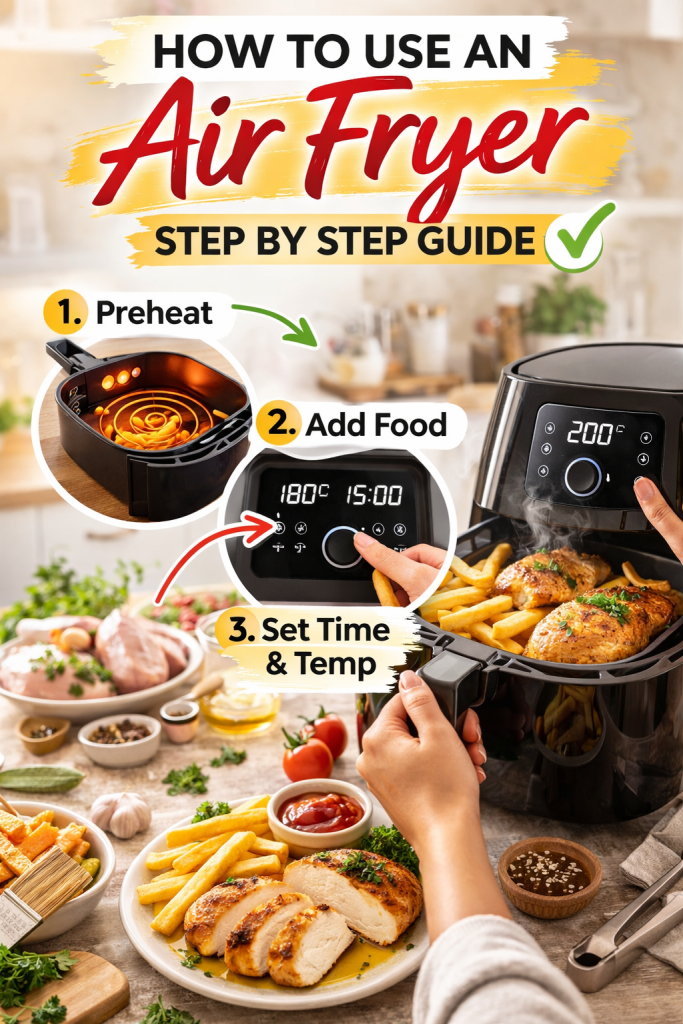
How to Use an Air Fryer (Step-by-Step)
If you follow these simple steps, you’ll avoid most beginner mistakes right away.
1. Place It on a Safe Surface
Always put your air fryer on a flat, heat-resistant surface with enough space around it. It needs airflow to work properly.
2. Preheat (If Your Model Requires It)
Many air fryers benefit from preheating for 2–5 minutes.
Why it matters:
Starting hot helps food cook evenly and become crispy faster.
3. Add Food to the Basket (Don’t Overcrowd)
This is one of the biggest mistakes beginners make.
If you add too much food:
- air can’t circulate properly
- food becomes soggy instead of crispy
👉 Tip: Leave space between pieces for best results.
4. Set Temperature and Time
Most air fryer recipes fall within:
- Temperature: 180–200°C (350–400°F)
- Time: 8–25 minutes
If you’re unsure, start with a slightly lower time—you can always add more.
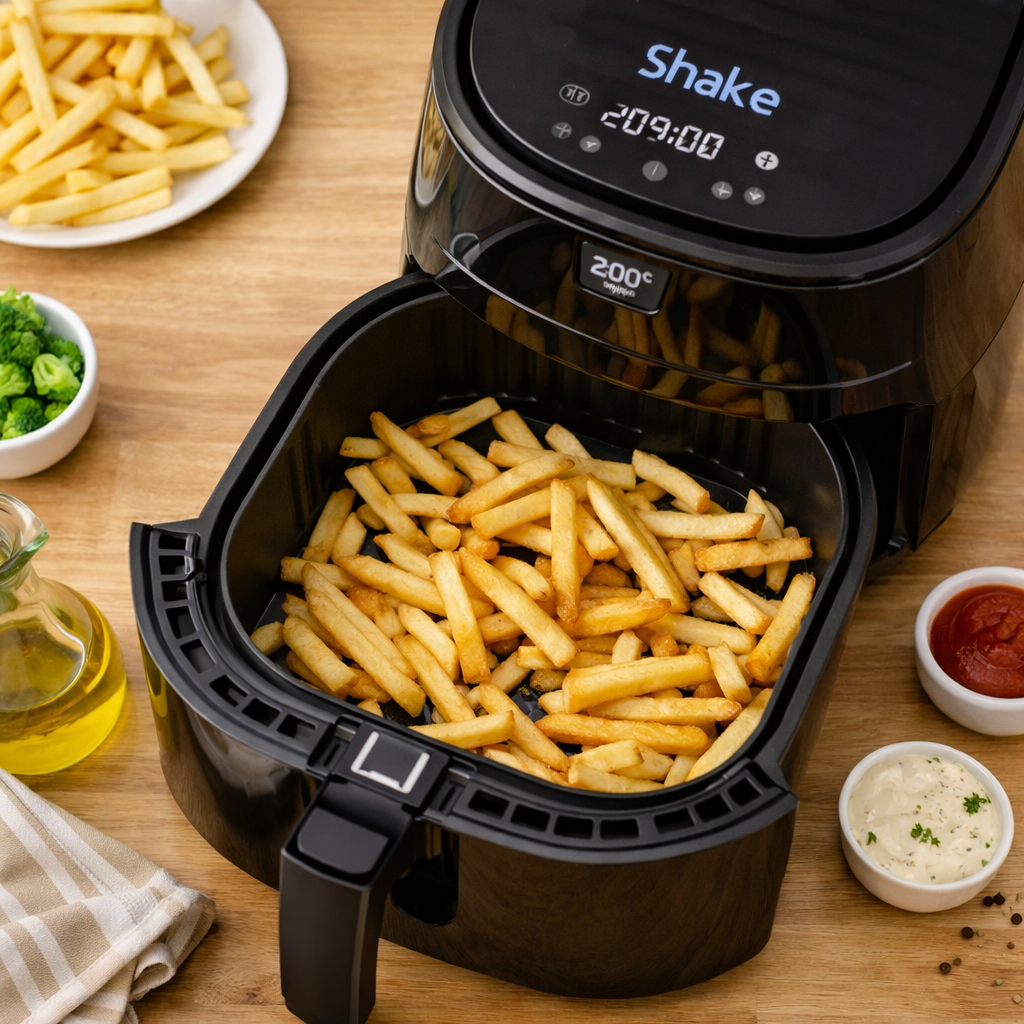
5. Shake or Flip Halfway Through
For even cooking, especially with fries or vegetables:
- shake the basket
- or flip the food
This prevents one side from overcooking.
6. Remove Carefully and Serve
The basket gets very hot, so always use caution when removing food.
👉 Let food rest for a minute before serving—it often improves texture.
Best Foods for Beginners
If you’re new to air frying, start with foods that are easy and forgiving:
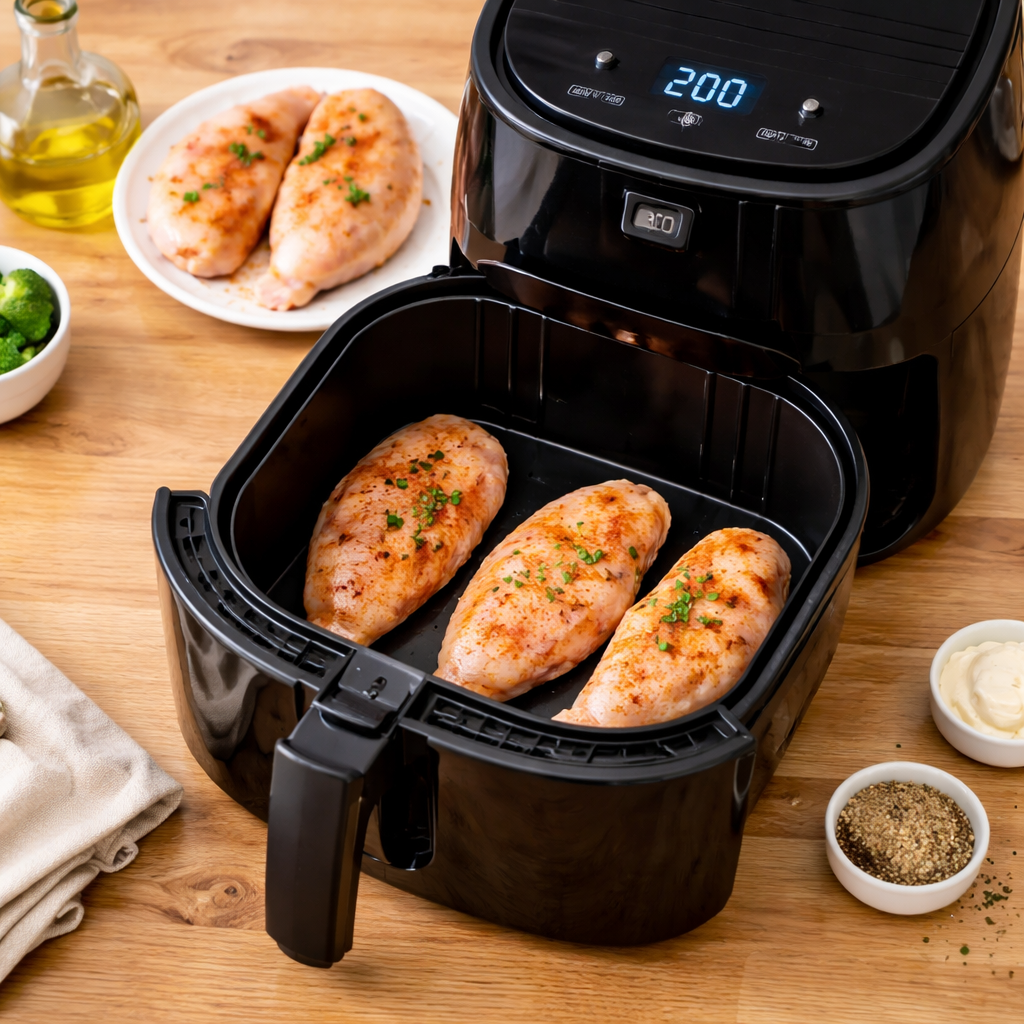
✔ Chicken Breast
- Cooks quickly
- Stays juicy if not overcooked
- Great for meal prep
✔ Frozen Fries
- One of the easiest options
- No prep needed
- Naturally crispy in an air fryer
✔ Vegetables (Broccoli, Carrots, Zucchini)
- Roast beautifully
- Develop great flavor with minimal oil
✔ Salmon
- Quick (usually under 10 minutes)
- Crispy outside, tender inside
✔ Toasted Sandwiches
- Crispy bread + melted cheese
- Much faster than using an oven
More ideas: 13 Easy Air Fryer Recipes for Quick Dinners, Snacks and Appetizers
Common Air Fryer Mistakes (and How to Avoid Them)
1. Overfilling the Basket
Too much food = poor airflow = no crispiness.
👉 Fix: Cook in smaller batches.
2. Skipping Preheating
Food may cook unevenly and take longer.
👉 Fix: Preheat for a few minutes when needed.
3. Using Too Much Oil
Air fryers don’t need much oil.
👉 Fix: Use a light spray or brush—just enough to coat.
4. Not Shaking the Basket
Food cooks unevenly if left untouched.
👉 Fix: Shake or flip halfway through cooking.
5. Not Checking Food Early
Air fryers cook faster than ovens.
👉 Fix: Check a few minutes before the timer ends.
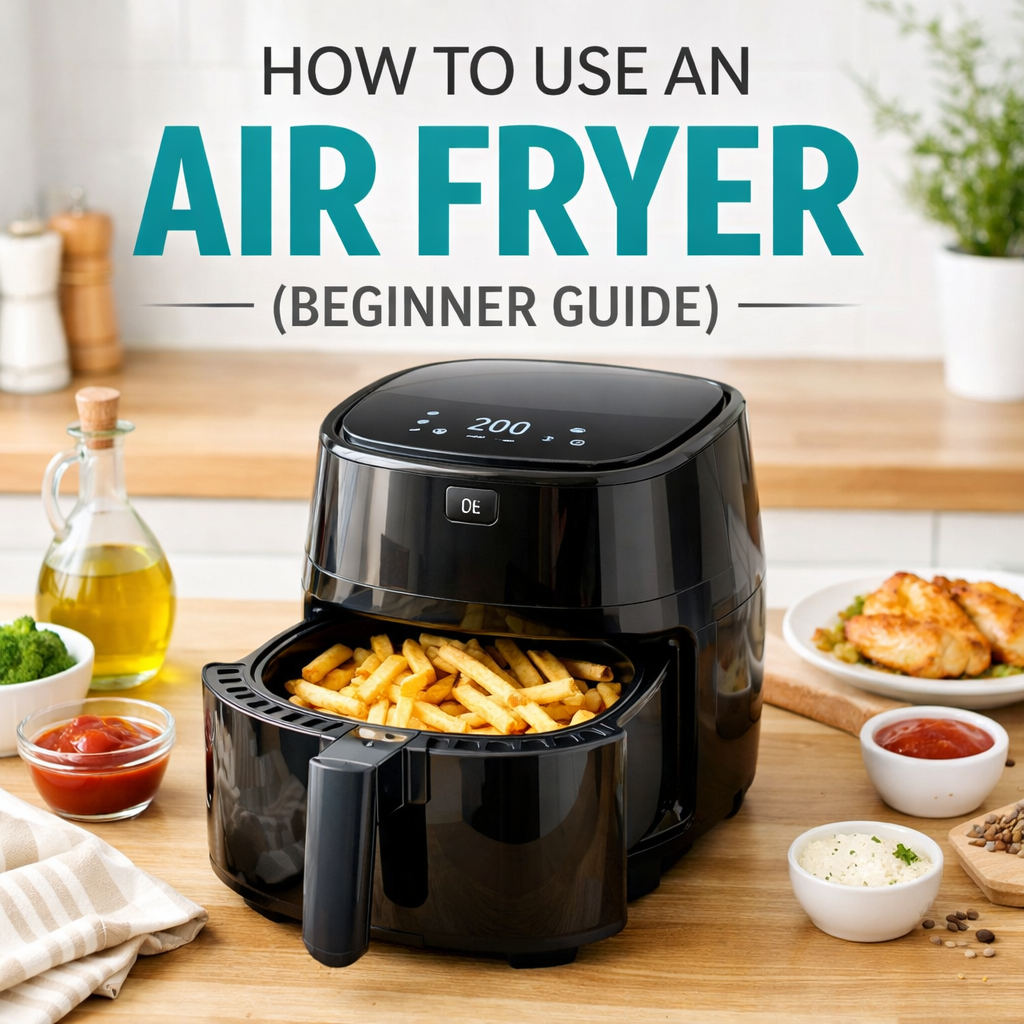
Simple Tips for Better Results
✔ Use a Light Oil Spray
A small amount of oil helps create that golden, crispy finish—especially for vegetables and potatoes.
✔ Cut Food Evenly
Uniform sizes = even cooking.
This is especially important for vegetables and meat.
✔ Don’t Be Afraid to Open the Basket
Unlike ovens, you can safely check food during cooking.
👉 This helps prevent overcooking.
✔ Adjust as You Go
Every air fryer model is slightly different.
- If food isn’t crispy → add a few minutes
- If it’s cooking too fast → lower the temperature
✔ Keep It Clean
Built-up grease or crumbs can affect performance and taste.
👉 Quick clean after each use = better long-term results
Air Fryer Temperature Guide (Quick Reference)
Use this as a starting point:
- Chicken: 180°C (356°F)
- Fries: 200°C (392°F)
- Vegetables: 180°C (356°F)
- Fish: 180°C (356°F)
👉 Always adjust based on portion size and thickness.
If you cook with an air fryer often, these tools can save you time and make your food crispier with less effort.
I use simple, affordable options like these:
A must-have for better air fryer meals
How to Know When Food Is Done
Instead of relying only on time, look for:
- Golden, crispy edges
- Even color
- Proper internal temperature (for meat)
👉 When in doubt, check early—you can always cook longer.
Why Your Food Isn’t Crispy (Quick Fix Guide)
If your results aren’t what you expected, it’s usually one of these:
- Too much food in the basket
- Not enough heat
- Too much moisture (especially with vegetables)
- Skipping oil completely (sometimes needed for texture)
👉 Fixing just one of these usually solves the problem instantly.
Is an Air Fryer Healthy?
Air fryers can be a healthier option compared to deep frying because they use significantly less oil.
However, the final result still depends on:
- the ingredients you use
- portion size
- cooking method
👉 It’s best seen as a tool for balance, not a strict “healthy vs unhealthy” solution.
Conclusion
Learning how to use an air fryer is much easier than it seems. Once you understand a few basic principles—like not overcrowding, using the right temperature, and checking food early—you’ll start getting consistently good results.
The best part?
You don’t need complicated recipes or special skills.
Start simple, adjust as you go, and within a few uses, it will become one of your most reliable tools in the kitchen.



Leave a Reply